

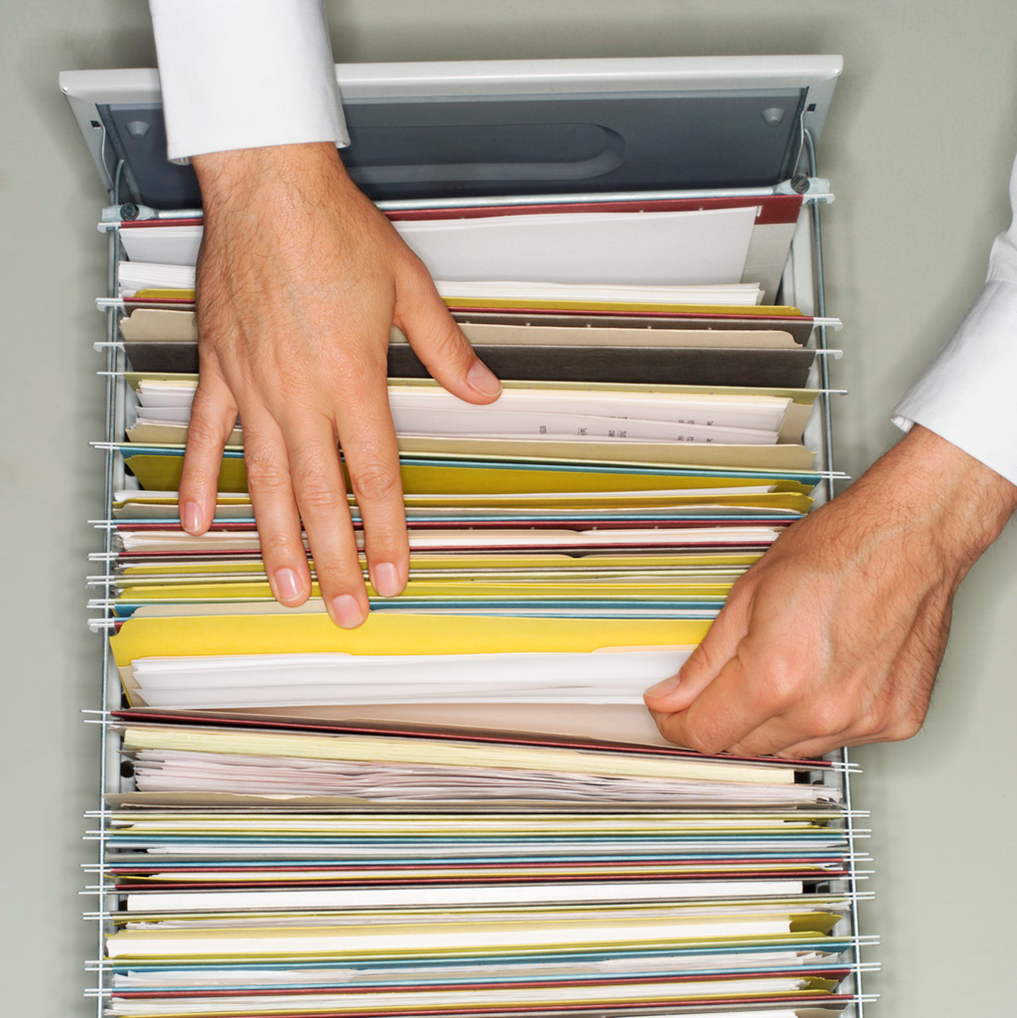
HR Files: What Should Be Included in an Employee Personnel File?
Maintaining accurate and compliant employee personnel files is a critical responsibility for hiring managers and HR professionals. Beyond the application, resume, and offer letter, what documentation should be included—and how detailed should those records be?
Question: Other than the application, resume and offer letter, what other documentation should be in an employee’s personnel file?
Answer: There are many documents a hiring manager may choose to include in an employee personnel file. Some employers prefer extremely detailed documentation, including notes from closed-door conversations, meetings, time-off requests, and internal complaints. While this level of detail is optional, it is not required by law.
Essential Documents to Include in a Personnel File
In addition to the application, resume, and offer letter, most personnel files should include:
- Employment contracts and agreements
- Signed company policies and acknowledgments
- Performance evaluations
- Corrective actions or disciplinary notices
- Written warnings or formal notices
These records help document the employee’s history with the company and support consistency and compliance in HR decision-making.
Documents That Should Be Stored Separately
Certain sensitive documents should not be stored in the main personnel file. Instead, they should be kept in a separate, confidential file within the overall employee record. These include:
- Form I-9
- Form W-4
- Background check reports
- Direct deposit authorization forms
Separating these documents helps protect employee privacy and supports compliance with federal regulations.
Pro Tip: Go Digital with Personnel Files
Maintaining electronic personnel files allows for easier access when documents need to be copied, retrieved, or securely shared. Digital files also serve as a critical backup in the event original paperwork is lost or misplaced. While this should never happen, human error is always a factor, and preparation is key.
Personnel File Security Best Practices
Whether paper or electronic, all personnel files must be stored securely. Access should be limited to only those individuals who truly need it.
Best practices include:
- Password-protected digital files
- Locked filing cabinets for paper records
- Clearly defined access permissions
These steps ensure personnel files remain private, secure, and compliant with HR best practices. If you would like additional information on this topic and others, please contact us today to submit your question.


HR Files: What Should Be Included in an Employee Personnel File?
Maintaining accurate and compliant employee personnel files is a critical responsibility for hiring managers and HR professionals. Beyond the application, resume, and offer letter, what documentation should be included—and how detailed should those records be?
Question: Other than the application, resume and offer letter, what other documentation should be in an employee’s personnel file?
Answer: There are many documents a hiring manager may choose to include in an employee personnel file. Some employers prefer extremely detailed documentation, including notes from closed-door conversations, meetings, time-off requests, and internal complaints. While this level of detail is optional, it is not required by law.
Essential Documents to Include in a Personnel File
In addition to the application, resume, and offer letter, most personnel files should include:
- Employment contracts and agreements
- Signed company policies and acknowledgments
- Performance evaluations
- Corrective actions or disciplinary notices
- Written warnings or formal notices
These records help document the employee’s history with the company and support consistency and compliance in HR decision-making.
Documents That Should Be Stored Separately
Certain sensitive documents should not be stored in the main personnel file. Instead, they should be kept in a separate, confidential file within the overall employee record. These include:
- Form I-9
- Form W-4
- Background check reports
- Direct deposit authorization forms
Separating these documents helps protect employee privacy and supports compliance with federal regulations.
Pro Tip: Go Digital with Personnel Files
Maintaining electronic personnel files allows for easier access when documents need to be copied, retrieved, or securely shared. Digital files also serve as a critical backup in the event original paperwork is lost or misplaced. While this should never happen, human error is always a factor, and preparation is key.
Personnel File Security Best Practices
Whether paper or electronic, all personnel files must be stored securely. Access should be limited to only those individuals who truly need it.
Best practices include:
- Password-protected digital files
- Locked filing cabinets for paper records
- Clearly defined access permissions
These steps ensure personnel files remain private, secure, and compliant with HR best practices. If you would like additional information on this topic and others, please contact us today to submit your question.